When the cold Canadian winter arrives, your furnace becomes one of the most essential appliances in your home. But like any mechanical system, a furnace doesn’t last forever. Understanding your furnace’s life expectancy can help you plan for maintenance, repairs, or eventual replacement—ensuring you’re never left in the cold.
The Average Furnace Lifespan
Most residential furnaces are designed to last between 15 and 20 years with proper care and maintenance. However, this timeframe can vary significantly based on several factors. Some well-maintained units have been known to operate efficiently for up to 30 years, though this is relatively uncommon with modern equipment.
The type of furnace you have plays a role in its longevity. Gas furnaces typically last 15 to 20 years, while electric furnaces can operate for 20 to 30 years. Heat pumps generally have a lifespan of about 15 years, and boilers can last anywhere from 15 to 30 years.
Key Factors Affecting Furnace Longevity
Several critical factors determine how long your furnace will serve your home effectively:
Regular Maintenance is perhaps the single most important factor in extending your furnace’s lifespan. Annual professional maintenance helps keep heat exchangers, burners, and fan blades clean, preventing premature wear and tear. Between professional visits, homeowners should replace furnace filters every one to three months to maintain proper airflow and reduce strain on the system.
Quality of Installation matters tremendously. Improperly sized ductwork, incorrect furnace sizing, or poor installation can significantly reduce your system’s efficiency and lifespan. A furnace that’s too small will struggle to heat your home and run constantly, while an oversized unit will cycle on and off too frequently, both scenarios causing excessive wear.
Climate and Usage Patterns also impact longevity. Furnaces in regions with longer, harsher winters work harder and may have shorter lifespans compared to units in milder climates. Additionally, your thermostat settings affect system wear—keeping your home at moderate temperatures reduces strain on components.
Environmental Conditions surrounding your furnace play a role too. Units located in areas with high humidity are more prone to rust and corrosion. Proper ventilation and adequate clearance around your furnace are essential for optimal performance and longevity.
Warning Signs Your Furnace Needs Attention
Even with excellent maintenance, furnaces eventually reach the end of their service life. Recognizing the warning signs early can help you avoid emergency breakdowns during the coldest months.
If your furnace is more than 15 years old and requires frequent repairs, it may be time to consider replacement. A general rule is that if repair costs exceed half the price of a new furnace, replacement is often the more economical choice.
Rising energy bills despite no change in usage patterns often indicate declining efficiency. Old furnaces are less energy efficient and more expensive to operate. Uneven heating throughout your home, with some rooms too warm while others remain cold, suggests your furnace can no longer handle its heating load effectively.
Strange noises such as banging, rattling, squealing, or humming coming from your furnace often signal mechanical problems or failing components. Yellow or flickering pilot lights can indicate incomplete combustion and potentially dangerous carbon monoxide issues.
Maximizing Your Furnace’s Lifespan
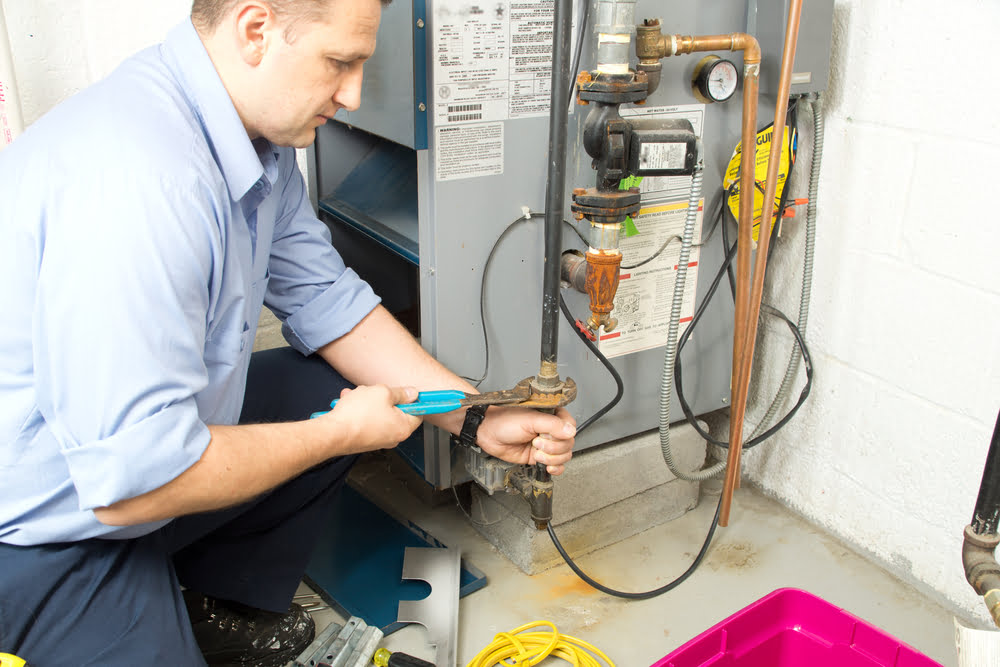
The good news is that homeowners have significant control over their furnace’s longevity. Scheduling annual professional maintenance is the most effective way to extend your system’s life. During these visits, technicians inspect, clean, and optimize your equipment while identifying minor issues before they become major problems.
Beyond professional service, regularly changing air filters prevents airflow restriction, which forces your system to work harder. Keeping your home properly insulated and windows sealed reduces the heating load on your furnace. Using a programmable thermostat to maintain consistent temperatures rather than frequent adjustments also helps minimize wear.
When to Call for Furnace Repair in Barrie
Don’t wait until your furnace fails to seek professional help. If you notice any warning signs or if your furnace is approaching the 15-year mark, contact a qualified HVAC professional for an assessment. Early intervention through furnace repair can often extend your system’s life and prevent costly emergency replacements.
At DMA Gas Service, we understand the importance of a reliable heating system for Barrie homeowners. Whether you need routine maintenance, furnace repair, or guidance on when to replace your aging unit, our experienced technicians are here to help keep your home comfortable all winter long.
Remember, proactive care and regular maintenance are your best investments in maximizing your furnace’s lifespan and ensuring reliable performance when you need it most.
Recent Comments