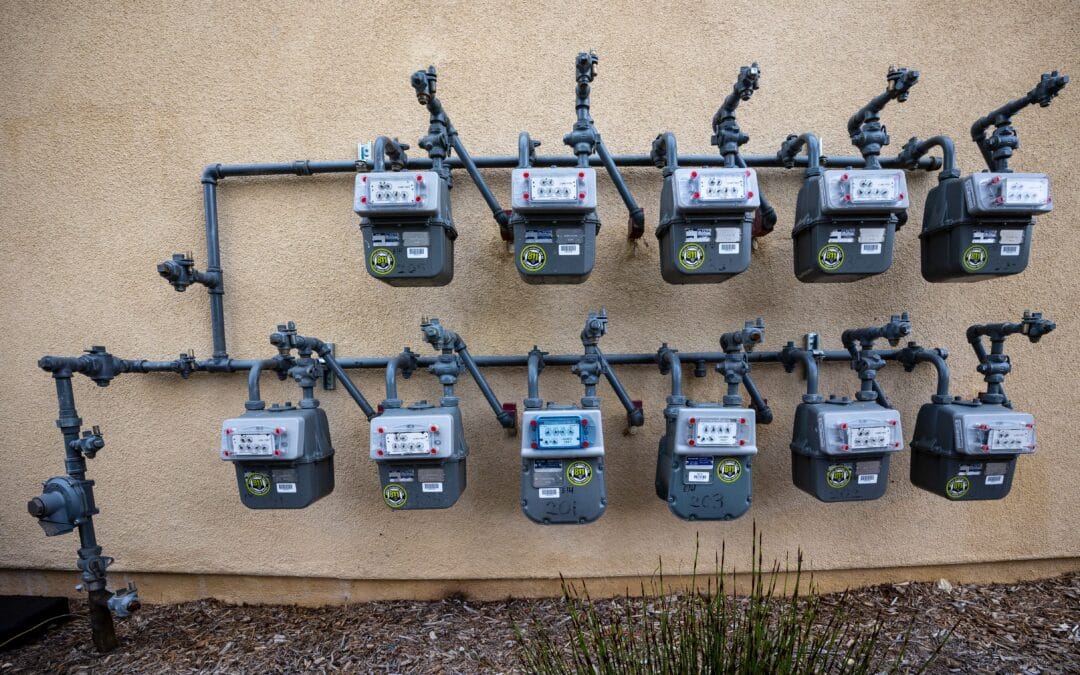
Many homeowners add new gas appliances over time without realizing that every appliance places additional demand on their home’s gas supply. Whether you’re installing a gas stove, fireplace, pool heater, water heater, or outdoor BBQ, understanding BTU capacity can help ensure your gas system is equipped to handle the load safely and efficiently.
If you’re planning a new appliance installation or considering a larger home upgrade, it may be time to evaluate your existing gas meter and gas line capacity.
What Is BTU Capacity?
BTU stands for British Thermal Unit, a measurement used to indicate how much heat an appliance can produce. Gas-powered appliances are rated based on their BTU requirements.
Common household gas appliances may include:
- Furnaces
- Water heaters
- Gas fireplaces
- Gas stoves and ranges
- Gas dryers
- Pool heaters
- BBQs and patio heaters
Each appliance has a BTU rating listed in its specifications. The total gas demand for your home is determined by adding the BTU requirements of all gas appliances operating on the system.
How to Calculate Your Home’s Total BTU Demand
Calculating your home’s gas demand starts with identifying the BTU rating of each appliance.
Example:
| Appliance | BTU Rating |
| Furnace | 80,000 BTU |
| Water Heater | 40,000 BTU |
| Gas Fireplace | 30,000 BTU |
| Gas Stove | 65,000 BTU |
| BBQ | 50,000 BTU |
Total Demand: 265,000 BTU
This total provides a general idea of how much gas capacity your home may require. If you’re adding a new appliance, you’ll need to factor its BTU rating into the overall calculation.
Signs Your Gas Meter May Need an Upgrade
As homeowners add new appliances, the existing gas meter may no longer provide sufficient capacity for the increased demand.
Some situations that may require a gas meter assessment include:
Installing Multiple New Gas Appliances
Adding a pool heater, outdoor kitchen, fireplace, or tankless water heater can significantly increase gas usage.
Renovating or Expanding Your Home
Home additions and major renovations often introduce new gas-powered equipment that increases overall demand.
Converting Appliances to Natural Gas
Switching from electric appliances to natural gas may require additional gas capacity.
Experiencing Performance Issues
If appliances struggle to operate properly when multiple units run simultaneously, your gas supply system may require evaluation by a licensed gas professional.
Why Proper Gas Line Sizing Matters?
Gas meter capacity is only one part of the equation. The gas lines supplying your appliances must also be properly sized to deliver adequate gas flow.
Undersized gas lines can impact appliance performance and may limit the effectiveness of your heating equipment.
Gas line installation Barrie professionals can offer will actually help ensure:
- Proper gas flow to appliances
- Compliance with applicable codes and regulations
- Safe appliance operation
- Capacity for future appliance additions
For homeowners considering gas line installation in Barrie, working with a licensed gas contractor can help determine whether your current gas system is equipped to support new equipment. DMA Gas Services provides gas line installation and repair services for a variety of residential gas appliances throughout Barrie and surrounding areas. DMA Gas Services is a family-owned gas and heating company serving Barrie and the surrounding area with gas line installations, repairs, and other home comfort services.
Planning a Gas Appliance Upgrade?
Whether you’re installing a gas fireplace, stove, dryer, water heater, or outdoor appliance, ensuring your gas system can support the added demand is an important part of the planning process.
Homeowners can also stay up to date with recent projects, service updates, and company news by connecting with DMA Gas Services on Facebook at https://www.facebook.com/Dmagasservicesinc.
Recent Comments